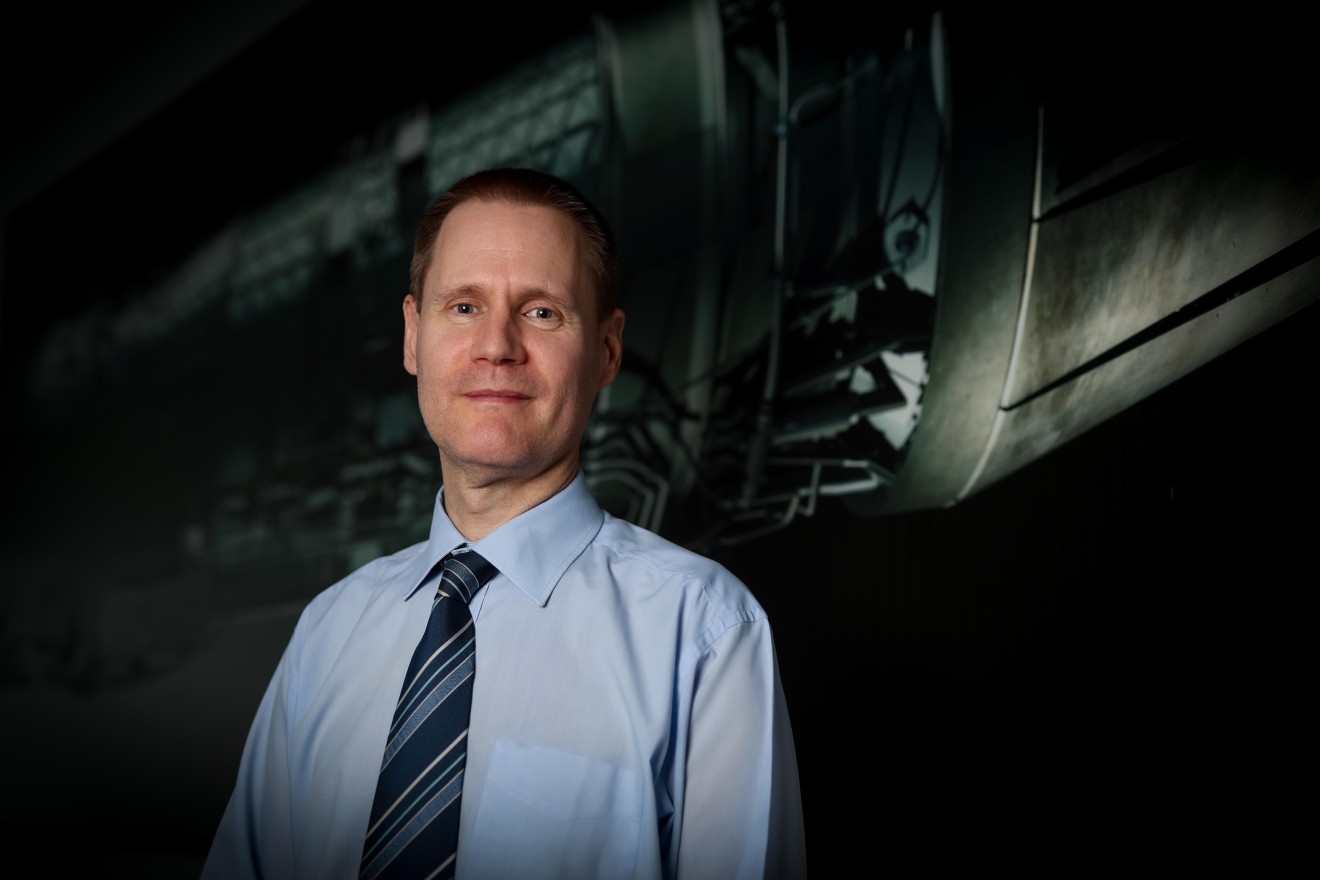
If you’ve seen a Eurofighter Typhoon at full power, the thing most people never forget is the noise. It is thrust on demand. For Dave, the sound represents something far harder to see but just as important: consistency at scale, over years, nations, climates and operating patterns.
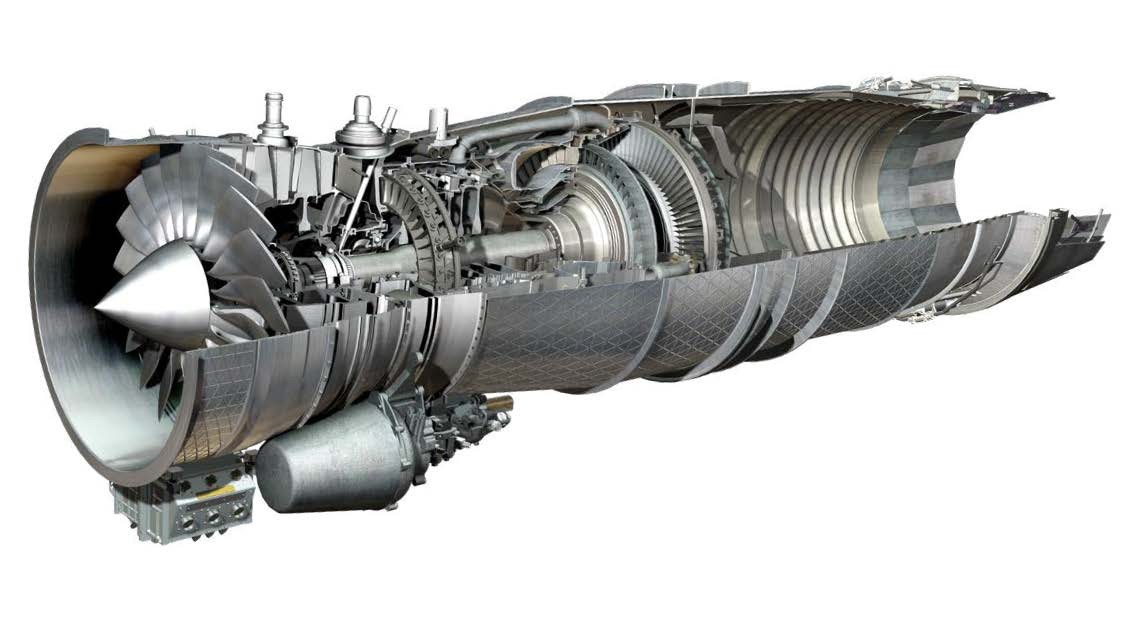
When Eurofighter passed one million flying hours it meant that two million engine flying hours had been surpassed, as each Eurofighter benefits from the power of two EJ200 engines.
“In a military context, two million engine flying hours is a very significant milestone”, says Dave. “You only reach it thanks to very well defined and executed objectives that go back all the way to initial development then continued through to certification and then finally to the in-service support that the product sees today.”
“In a military context, two million engine flying hours is a very significant milestone.
That long term service track record, Dave argues, comes from the design that evolved throughout the development and certification programme. The partner nations set demanding requirements that reflected how Typhoon would be used, and they held industry to them. This early development effort was tough, he says, but it proved the engine could meet the challenges of the environments it was designed to operate in.
“They wouldn’t let us out of the gym and onto the field to play the game until after we had completed the most rigorous training imaginable. The payoff is a fantastic product with 20 plus years of service. It’s a product that’s shaped and strengthened by extensive operator feedback on real world performance.”
A busy Eurofighter Typhoon needs engines that are as safe and reliable as they are powerful. It rarely makes headlines for this aspect, but the EJ200 is reliability personified. For the team at EUROJET it is a fundamental that they are set up to deliver. For their engineers, success is based on factors like product safety, maintainability and availability–time on wing (how long an engine can remain installed before it needs to be removed) being a key metric. All these factors add up to ensuring Eurofighter is primed and ready whenever it’s called upon. The track record is remarkable.
“Our in-flight shutdown rate is five times better than our specification, which was already a challenge,” says Dave.
“The engine typically remains on wing for more than 1,000 flying hours before needing removal, which for military fast jet engines is hugely impressive.”
Dave says there’s a team of dedicated and talented people across their consortium and Eurofighter Partner Companies who support the EJ200 every day. It includes people on the base frontline across Germany, Italy, Spain and the UK.
The metal can’t speak for itself, but the data can. The feedback loops validate assumptions, highlight emerging trends, and help plan maintenance and support more intelligently
“At the sharp end, crews handle day-to-day maintenance and troubleshooting,” says Dave. “They also capture first-hand observations from ground crew and flight crew, then feed that back for deeper engineering analysis, always with safety as the priority.”
Data is crucial he says. “The metal can’t speak for itself, but the data can. The feedback loops validate assumptions, highlight emerging trends, and help plan maintenance and support more intelligently. They also inform practical decisions, from manpower planning to supply chain activity.”
In day-to-day monitoring, indicators reveal how the engine is performing over its life, including thrust and fuel efficiency trends, vibration levels, and life consumption on parts.
For Dave, the two million milestone is more than just technical. “Being part of the Eurofighter story makes me exceptionally proud,” he says.
“The EJ200 engine is by far the best engine I have ever worked with. And that still could be something I say the day I retire.”
Eurojet in Numbers:
1,400 engines delivered
2 million engine flying hours (EFH)
1,000 EFH – average time on wing
20 years in service
10 customers worldwide