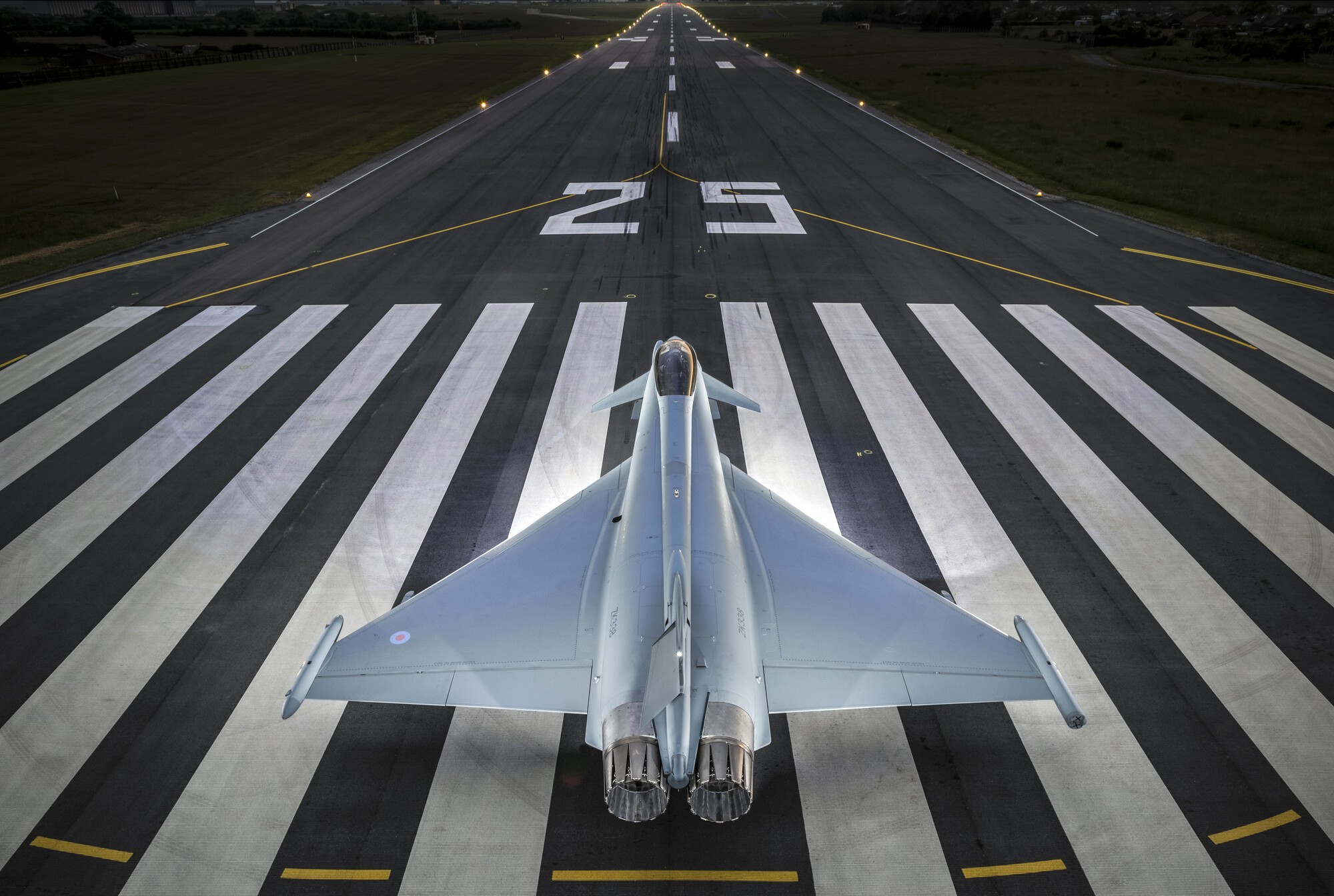
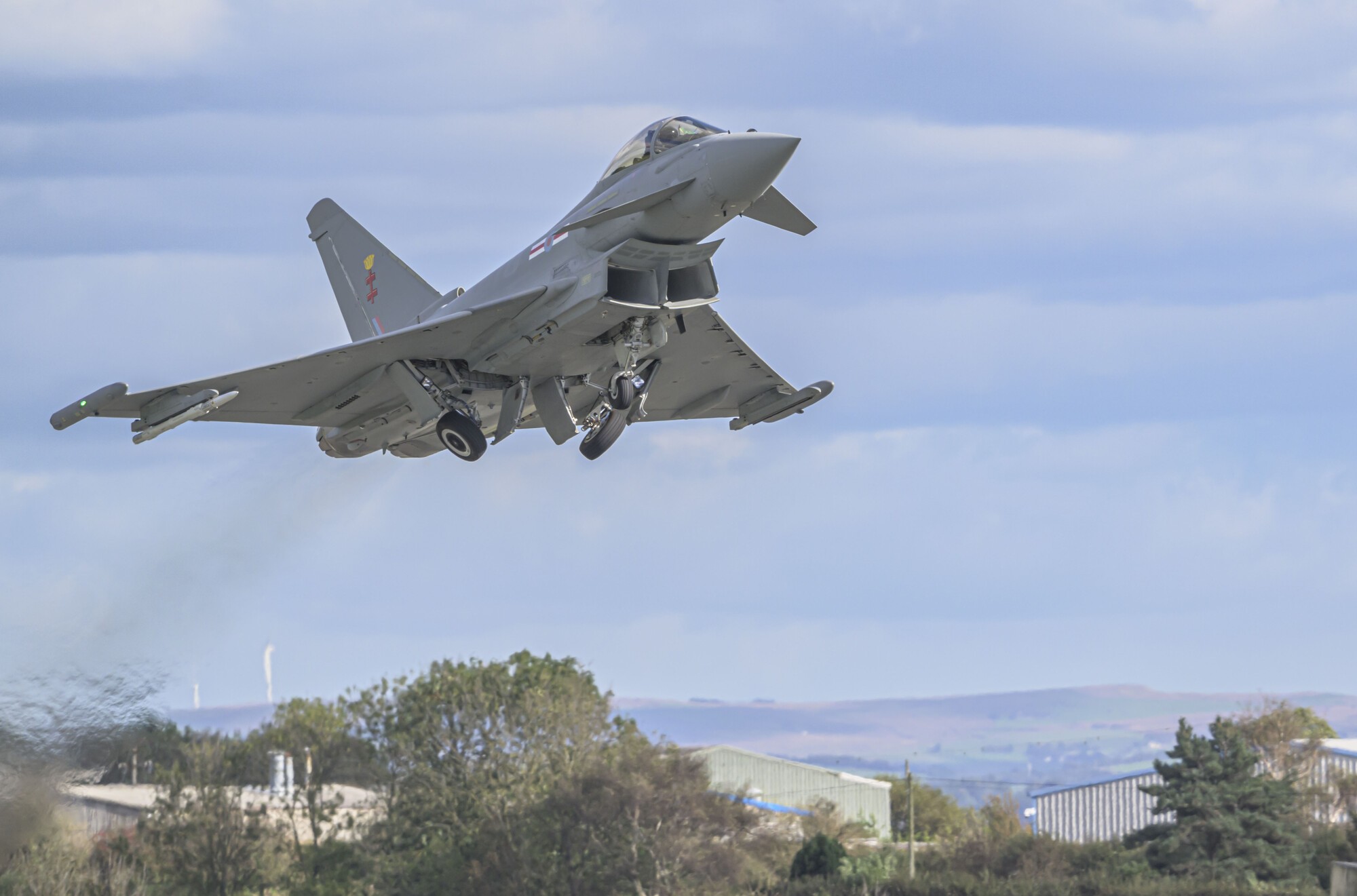
One afternoon, in a small corner of BAE Systems' Warton base, a hum of anticipation filled the air. Then, at around 2 pm, a Typhoon roared into the skies. The familiar noise at Warton gave little away about the significance of this moment, but for one team, it marked the culmination of years of effort.
This Typhoon was the first ever to be equipped with the cutting-edge ECRS Mk 2 radar, taking off on its maiden flight.
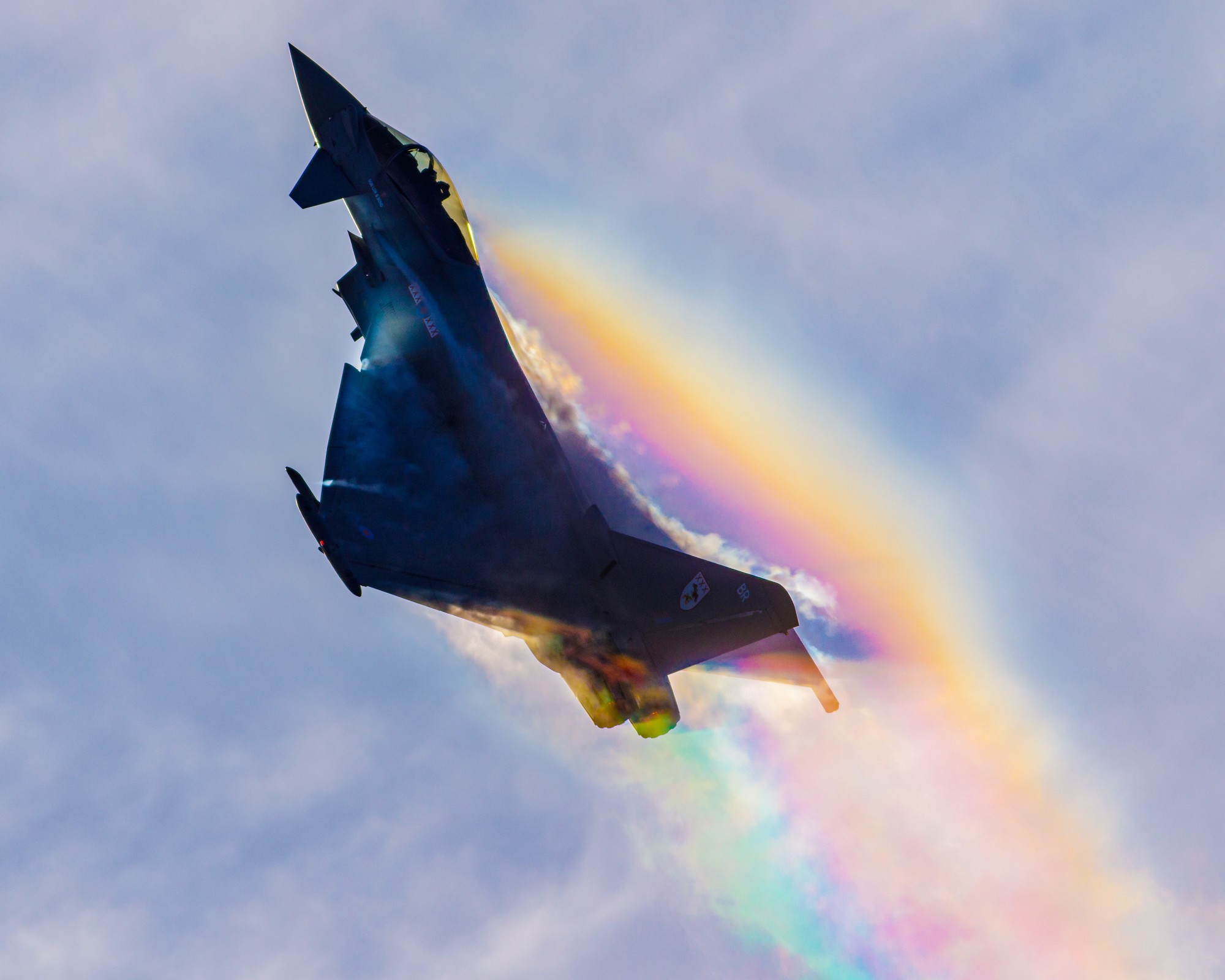
This milestone represented years of relentless work, intricate problem-solving, and collaboration among some of the most brilliant aerospace engineering minds.
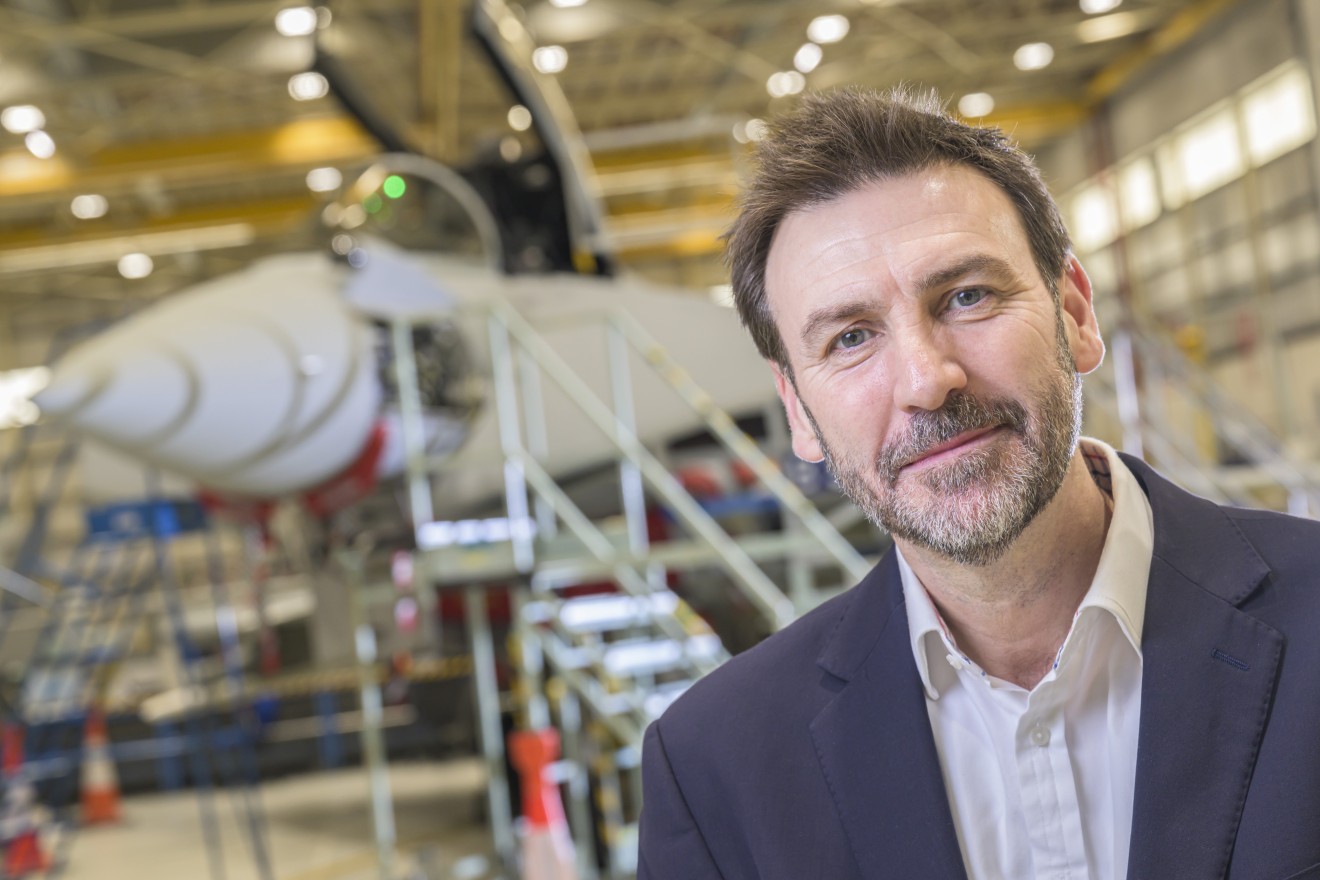
Andy Holden, Radar Delivery Director at BAE Systems, does not count himself among the ‘brilliant’ ones, but he is undoubtedly a key figure behind the radar’s development. That day, he wasn’t on-site to witness the historic moment. Instead, he was at home in his office, refreshing his phone and anxiously waiting for news from the test flight.
It’s one of those moments you don’t forget. Knowing that years of effort culminated in that first flight is indescribable.
"It’s a privilege to be part of a programme delivering game-changing capabilities for the Typhoon.”
The radar, which Andy describes as a “game-changer,” brings revolutionary electronic warfare capabilities to Typhoon, enabling it to detect and neutralise threats while maintaining dominance in contested airspaces.
Developed for the UK’s Royal Air Force, ECRS Mk2 is a perfect representation of the strength of the Eurofighter partnership combining expertise in radar development of Leonardo’s team in Edinburgh with BAE Systems’ pedigree in integrating complex technologies onto an aircraft.
Andy says: “The expertise in UK industry which supports this programme is immense and the proof is in the pudding, a capability which is truly world-leading which will protect generations of Typhoon pilots for decades to come.”
Building the Future
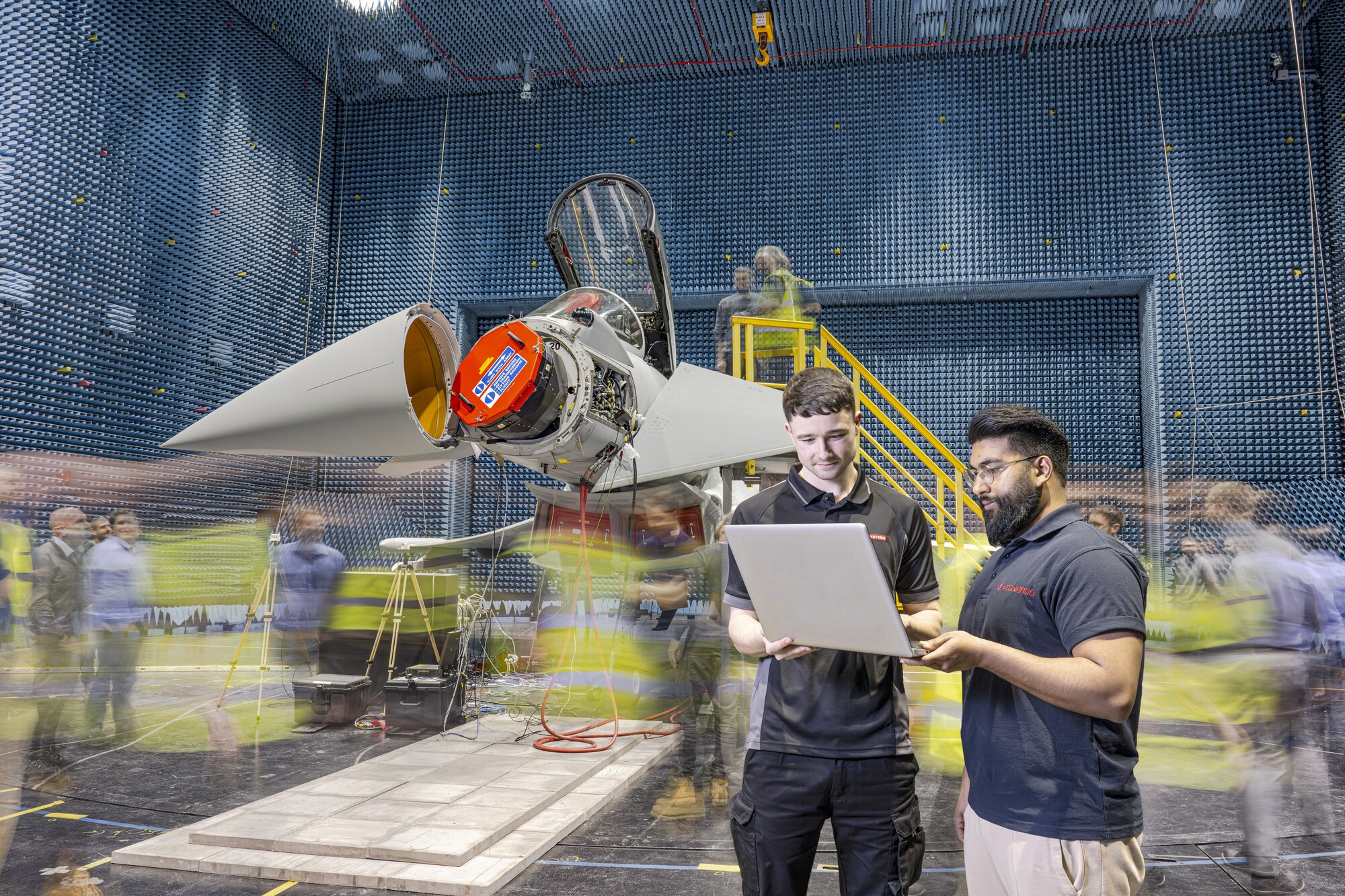
For Andy, the Typhoon is more than just an aircraft — it’s a symbol of innovation and resilience. The ECRS Mk 2 radar is a testament to this, blending decades of engineering expertise from across the Eurofighter partnership with forward-thinking technology. The radar’s development has followed an “incremental gains” philosophy, delivering smaller, regular improvements
“It’s about building capability step by step,” Andy says. “That’s how you achieve something as complex as this.”
His role has been to ensure the programme stays on track. Despite the technical challenges, Andy remains focused on the end goal. “Our work today ensures the aircraft will remain relevant well into the 2060s."
“This radar is about more than detection — it’s about electronic attack and dominance. Put simply, that means allowing the Typhoon to punch through enemy air defences and operate with unrivalled confidence.”
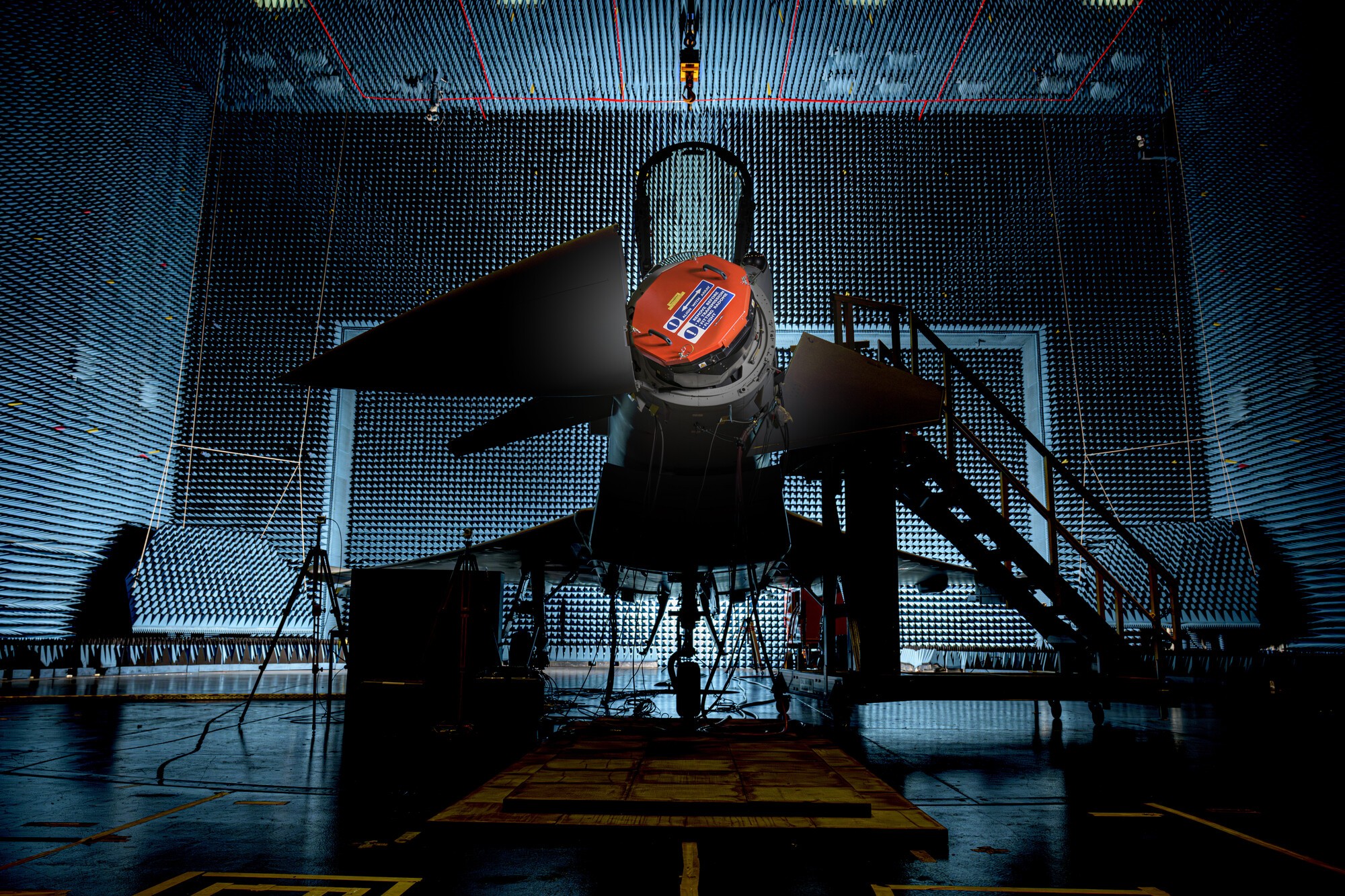
Creating the ECRS Mk 2 radar has been no small feat. Andy describes the technical challenges as "enormous," particularly the integration of the radar’s advanced hardware into existing systems. "The physics alone is a major hurdle. It’s about managing Radio Frequency energy, signal processing, and ensuring compatibility with the aircraft’s power and cooling systems."
The transition from the mechanical (M-scan) radar currently on jets operated by the core nations of Eurofighter to an electronically scanned (E-scan) one demands intricate testing and refinement.
“It’s not just about making the radar work — it has to work seamlessly with the Typhoon’s entire weapon system. Every new capability we add requires months of iteration and validation to ensure it performs reliably under extreme conditions.”
“By focusing on regular, smaller improvements, we’ve been able to steadily refine the system while demonstrating consistent progress to our stakeholders.”
A Career Forged in Aerospace
That first flight was just one chapter in a career spanning three decades, with Andy at the heart of some of the Eurofighter Typhoon programme’s most pivotal moments.
He joined BAE Systems as a Commercial Apprentice in 1993. “I wasn’t sure about going to university, and the apprenticeship seemed like the perfect way to earn while I learned,” he explains. His first placement was in the technical library at Samlesbury, a repository for drawings and technical documentation on aircraft like the Hawk, Harrier, and Tornado.
“It was a fascinating way to start. It gave me an appreciation for the scale of work that goes into these projects.” Over time, he moved into manufacturing, working on different Tornado programmes and discovering an interest in project management.
By the 2000s, Andy had transitioned to managing complex programmes, working on a key contract for Saudi Arabia involving the Typhoon. The role required not only technical expertise but also relationship-building skills. “Working with the customer taught me a lot about collaboration and managing expectations.”
The Typhoon Legacy
Andy’s connection to the Eurofighter Typhoon runs deep. His first major role on the programme was as the Head of Tranche 2 Delivery, overseeing the delivery of 236 aircraft.
Working across four partner nations requires a unique skill set. You have to navigate language and cultural barriers while staying focused on shared goals. It’s a phenomenal example of international collaboration.
“It was a huge responsibility, ensuring aircraft were delivered on time to customers across the UK, Germany, Spain, and Italy,” he says.
Andy has witnessed the aircraft evolve over decades, from its early days to the cutting-edge platform it is today. Looking back on his career, Andy is proud of his contributions to the Typhoon programme. “It’s incredible to see these jets take off, knowing you’ve played a part — even if it is a small part — in their story.”
For Andy, moments like the first flight of the new radar remind him why he’s dedicated his life to aerospace. “It’s not just about the technology — it’s about what it represents,” he says. “The Typhoon is a testament to what we can achieve when we work together, and I’m proud to be a part of that.”
As the Typhoon soars into its next chapter, it is worth remembering the contributions of people like Andy and his team, and their relentless pursuit of excellence.