Can you take us back to one mission, one operation. What were the conditions, and what made it stand out?
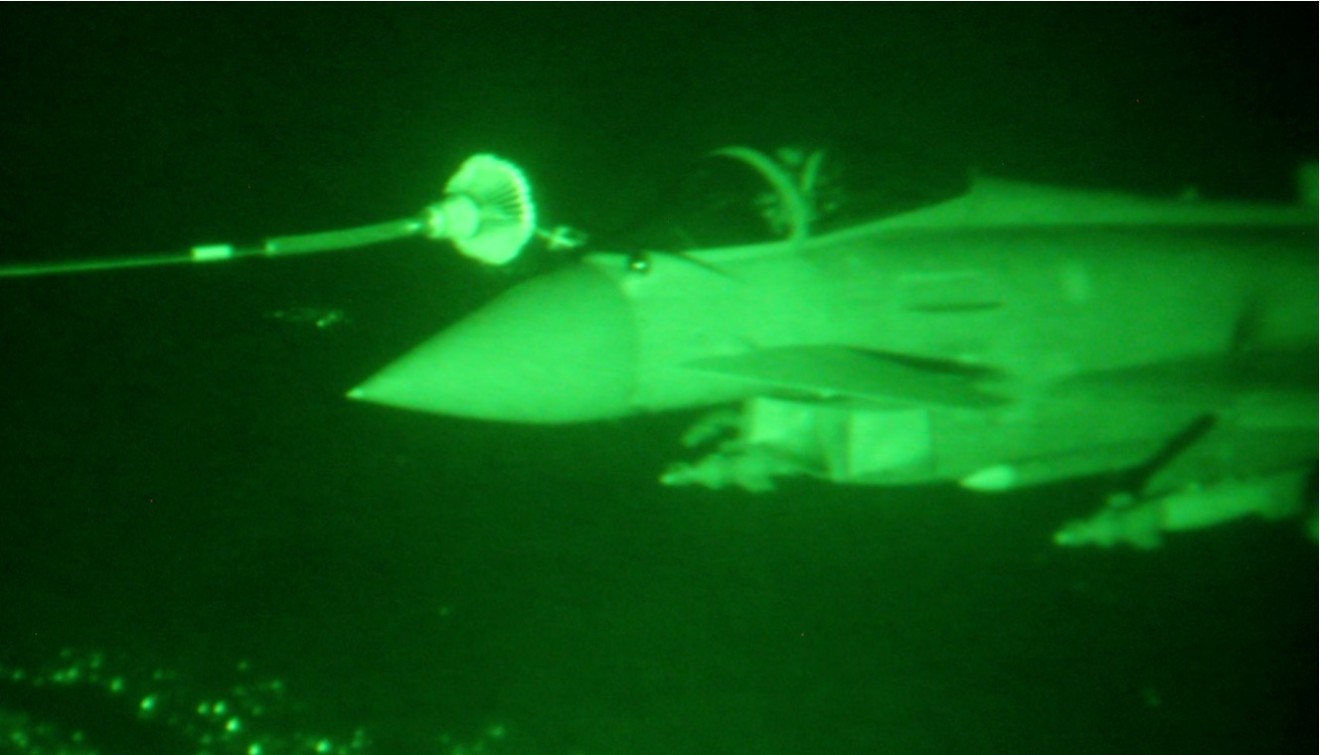
The first strike mission against targets in Syria will stay with me forever. Following a UK Parliamentary vote authorising air strikes, we deployed the next morning from Scotland to Akrotiri: six jets, pilots, engineersand support staff. 24 hours later, as thunderstorms battered the airfield, I taxied out under the gaze of BBC cameras, knowing that somewhere back home, loved ones might later see a grainy clip on the news. The aircraft was heavy with weapons, the air thick with rain and gusting wind. Launching into a moonless night towards Iraq felt utterly surreal.
I remember a swirl of emotions: fear, excitement, and a persistent ache of not wanting anything to go wrong, coupled with the knowledge that a great deal could. After years of preparation, it felt like the culmination of everything I’d worked towards, and yet unmistakably the beginning of something new. The cockpit felt strangely familiar, almost homely, set against the inky black night with lightning flickering in the distance. The task ahead was anything but normal.
After meeting a refuelling tanker over Iraq, my wingman and I pressed on towards Syria. Releasing weapons onto oil infrastructure, then refuelling again, and conducting surveillance over hostile territory. Almost six hours after take off, I peeled myself out of the cockpit at around 2am. Night one was complete, with five months of operations ahead.
What does operating through sustained sorties do to your mind and body, during and after?
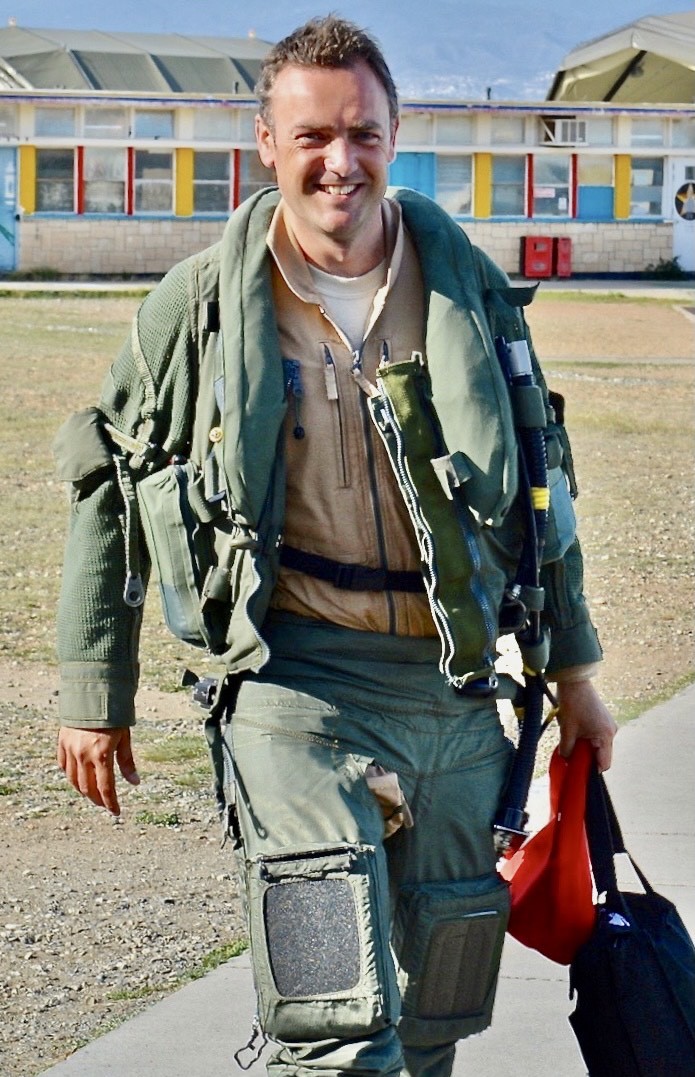
The Iraq and Syria deployment involved six-to-eight-hour sorties, every other day, for weeks on end. Some missions were quiet: hours of circling, watching and waiting. Others were frenetic, with a cascade of urgent taskings, repeated weapon drops in support of troops who were in immediate danger.
You lived in a constant state of mental flux, switching rapidly between extreme focus and relative calm. Over time, this uncertainty became familiar. A tasking to fly to Iraq and await further instructions became routine. You could see your own adjustment most clearly on the faces of new arrivals. Furrowed brows gave way, slowly, to routine.
Staying calm in the cockpit is an essential character trait, and most fighter pilots will have used up a few of their nine lives.
I subconsciously built a mental shell. The flying was intense, and as the Squadron Boss it was hard to switch off. When I wasn’t flying, those who were remained constantly on my mind. A work iPhone meant the critical and the trivial streamed into the inbox together, a modern feature of conflict. FaceTime made conversations with home easy enough, but the contrast was stark. The extremity of daily operations made life back in the UK feel muted, even benign. It was comforting to talk to loved ones, but at times the conversations felt strangely hollow.
Staying calm in the cockpit is an essential character trait, and most fighter pilots will have used up a few of their nine lives.
Was there a moment where you had to actively suppress instinct or emotion to stay mission focused?
Staying calm in the cockpit is an essential character trait, and most fighter pilots will have used up a few of their nine lives. One tense moment that stands out was being locked up by a Russian surface to air missile radar. Front line pilots are trained to respond almost instinctively to that stimulus. But this occurred during a transit over a large city, where a standard tactical response would have been wholly inappropriate.
Intelligence suggested a launch was unlikely, so I forced myself to trust that assessment, which was counter to my racing pulse. After five minutes, the lock ceased. It was either a good decision or a lucky one.
What kind of decisions are the hardest to make when you’re in command of a mission?
Dropping a weapon close to friendly troops carries the greatest jeopardy, but when the situation is clear cut, the decision itself is not difficult.
The hardest decisions are those with competing priorities or unclear outcomes. Balancing time on task, fuel state, air-to- air refuelling, weather, and multiple mission demands is where the flying became truly busy. The greatest risk was always making a decision based on incomplete or flawed situational awareness.
How do you decompress or reset after a sustained high-tempo period?
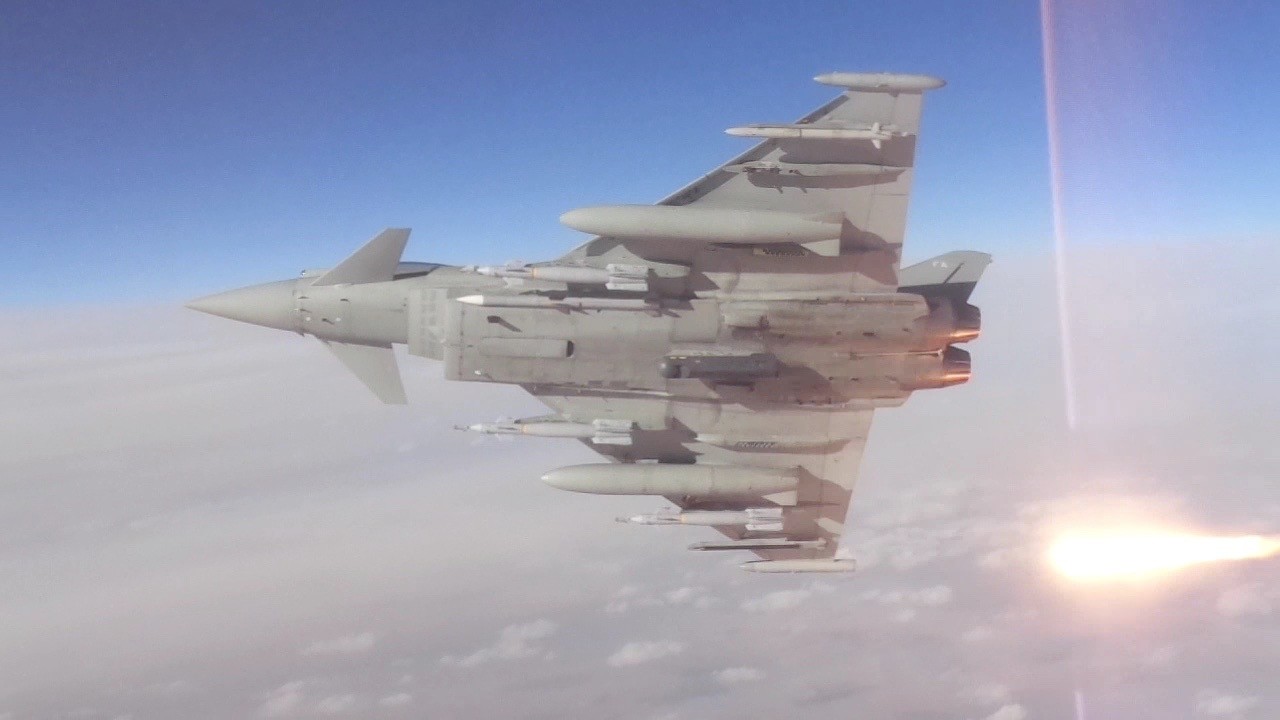
Resetting after sustained high tempo operations was rarely clear cut. Sport helped in small ways. I enjoy running or getting distracted with the Six Nations. Talking with others who had been there was often the most useful way of putting events back into context.
Genuine opportunities to fully disengage on operations were limited. As Squadron Boss I was always reachable, and on returning from operations we moved directly onto UK Quick Reaction Alert while planning the next training exercise. I took what short breaks I could, but the priority was to keep functioning and to continue making sound decisions as Squadron life continued.
What lessons did you take from that experience, about yourself or about flying Typhoon?
I didn’t realise how much weight I was carrying in the role until I moved into my next job behind a desk in the MOD. That brought different pressures, and in many ways more frustration, but far less that was visceral or immediate.
One of the key lessons I took from that experience is just how real, intense and unforgiving fast jet flying is, and how much responsibility we place on very young shoulders. That reality needs to sit at the forefront of capability and policy decisions, which are often made in offices far removed from the front line.
As an air-to-air fighter, the performance is extraordinary. I still recall one occasion when my eyeballs actually hurt as I sustained a long 9G turn, the jet relentlessly accelerating through 520kts. At 9G, my 80-kg body effectively weighed around 720 kilograms.
How does the aircraft perform?
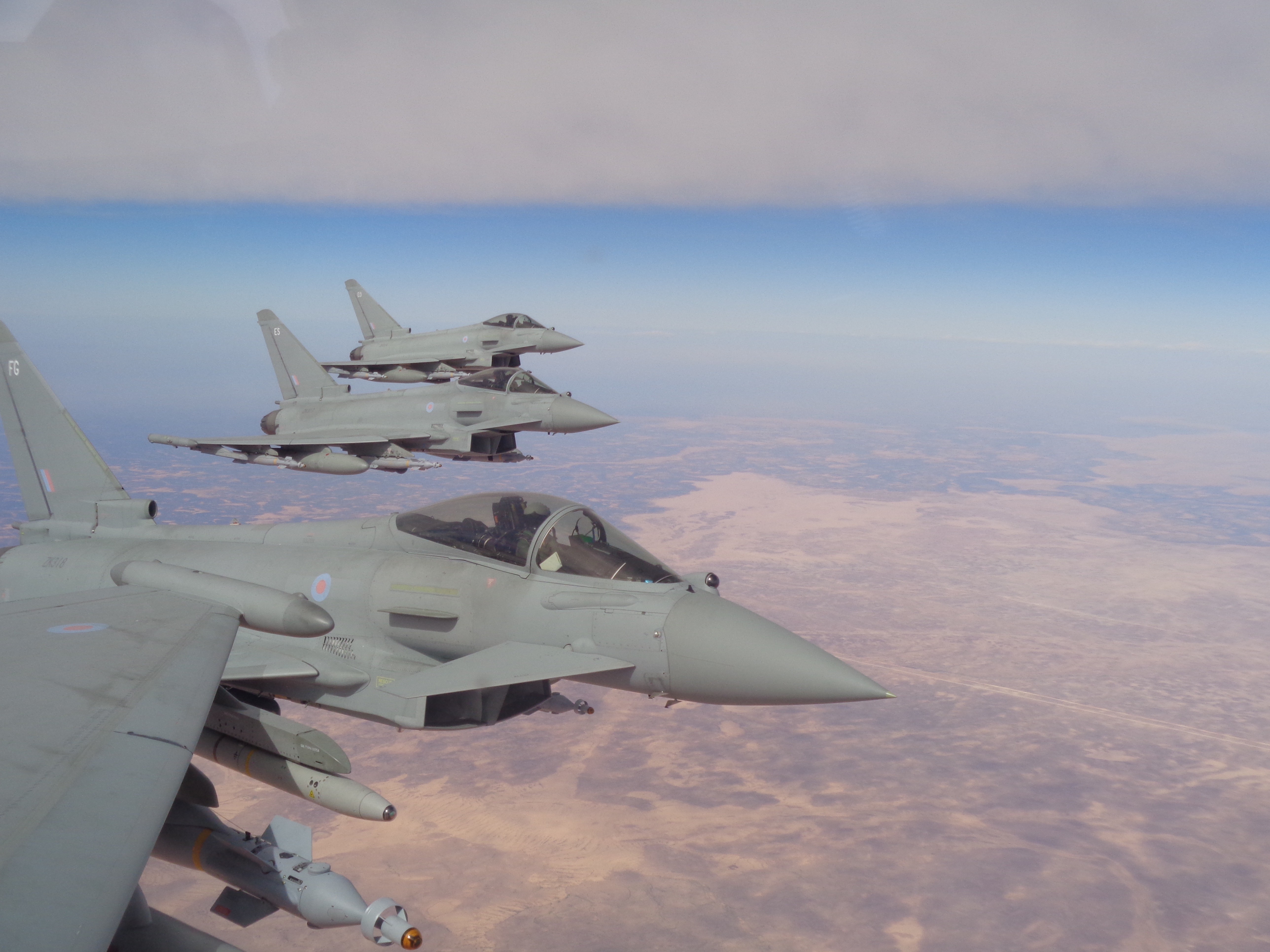
The Typhoon has a genuine multi-role pedigree. In the close air support role it is superb. Stable, manoeuvrable, and a dependable platform from which to build situational awareness and support the ground troops. I trusted the airframe and the engines implicitly, and they never let me down.
As an air-to-air fighter, the performance is extraordinary. I still recall one occasion when my eyeballs actually hurt as I sustained a long 9G turn, the jet relentlessly accelerating through 520kts. At 9G, my 80-kg body effectively weighed around 720 kilograms.
So the baseline performance is immense, but with combat aircraft the evolution is never complete. Threats adjust and improve constantly, and if the jet doesn’t evolve with them, it falls behind. Getting that balance right is a team effort, from politicians enabling the funding, through to the defence industry responding quickly, to those developing the tactics on the front line.
What are the challenges?
The aircraft is straightforward to fly. Although operating it well, tactically and consistently, takes years of experience. As you become more senior, the challenge shifts away from pure flying skill towards managing people and decision making under pressure. Multi-role operations demand constant proficiency across very different mission sets. While the aircraft feeds you vast amounts of information. I would say the greatest challenge for new pilots is becoming task saturated and mentally overloaded in the moment. The ability to prioritise ruthlessly, to process huge amounts of simultaneous information and to focus on what matters most, is something only experience can teach.